
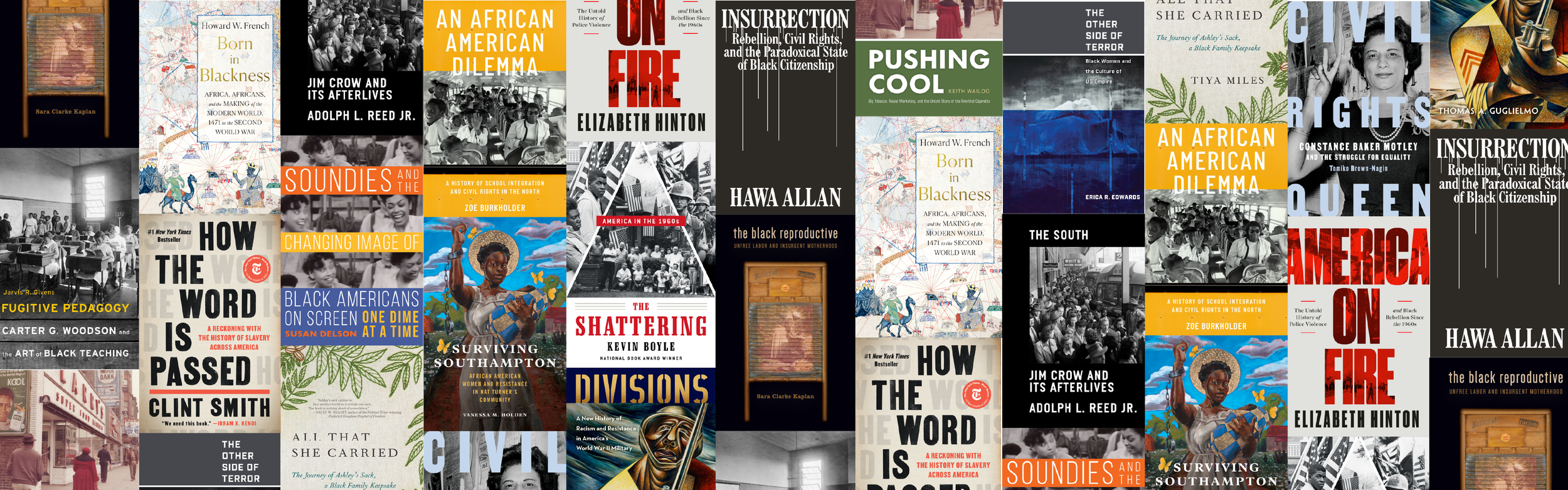
Announcing...
The 2026 ShortList
Nicholas Boggs | Ashley D. Farmer | Jarvis R. Givens | John A. Haymond | Antwain K. Hunter | Rashauna Johnson | Jarvis C. McInnis | Marcus Rediker | Candis Watts Smith | Tourmaline | Gayle F. Wald | Amber N. Wiley | Dana A. Williams| Augustus Wood
The following fourteen books were chosen from 158 eligible submissions. Books are judged based on their scholarship and accessibility, with an eye toward identifying exceptional works that spark dialogue within and across social and racial groups. These books also represent the Museum’s core belief that understanding the history of African Americans is integral to understanding our collective American history.
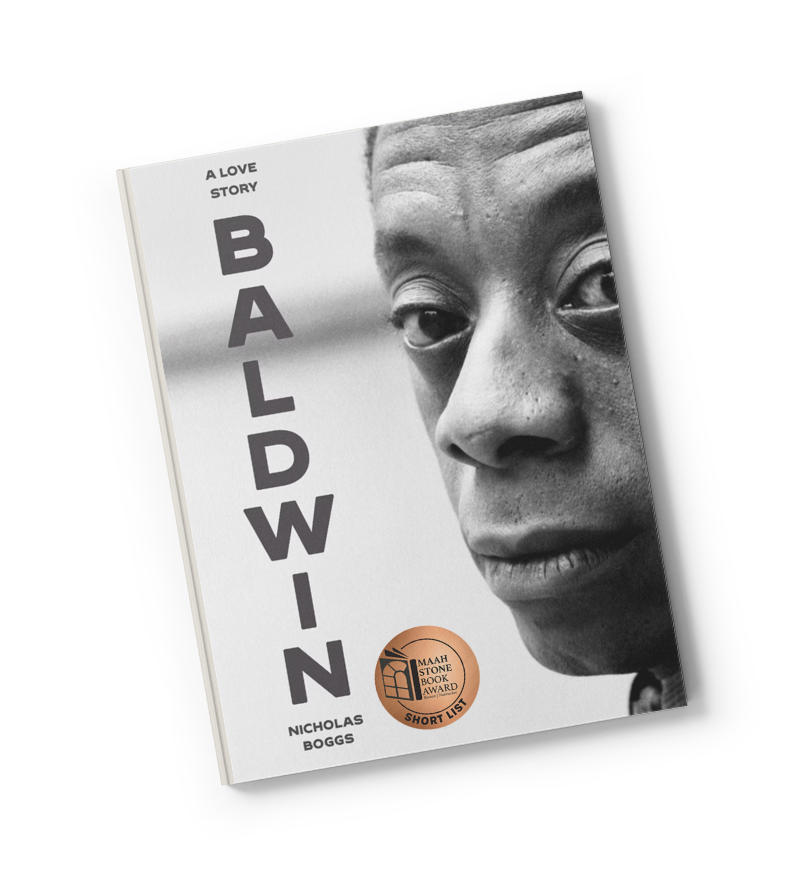
Baldwin: A Love Story
Nicholas Boggs
Baldwin: A Love Story, the first major biography of James Baldwin in three decades, reveals how profoundly the writer’s personal relationships shaped his life and work.
Drawing on newly uncovered archival material and original research and interviews, this spellbinding book tells the overlapping stories of Baldwin’s most sustaining intimate and artistic relationships: with his mentor; with his lover and muse; and with his collaborators.
Published by Farrar, Straus and Giroux
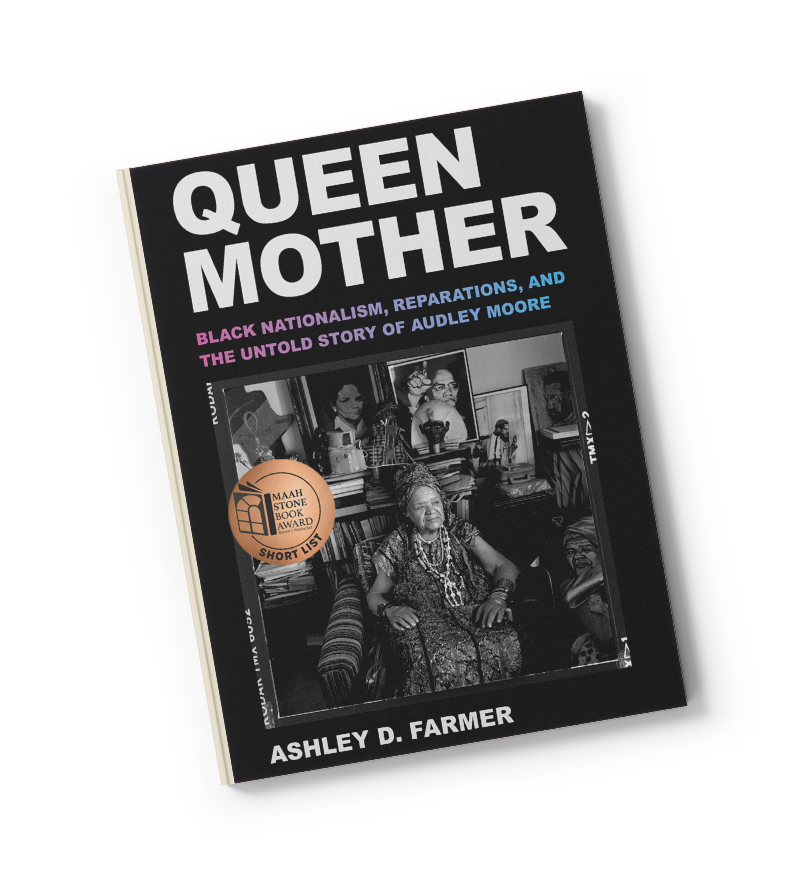
Queen Mother: Black Nationalism, Reparations, and the Untold Story of Audley Moore
Ashley D. Farmer
In the world of Black radical politics, the name Audley Moore commands unquestioned respect. Across the nine decades of her life, Queen Mother Moore distinguished herself as a leading progenitor of Black Nationalism, the founder of the modern reparations movement, and, from her Philadelphia and Harlem homes, a mentor to some of America’s most influential Black activists.
And yet, she is far less remembered than many of her peers and protégés.
Published by Pantheon Books
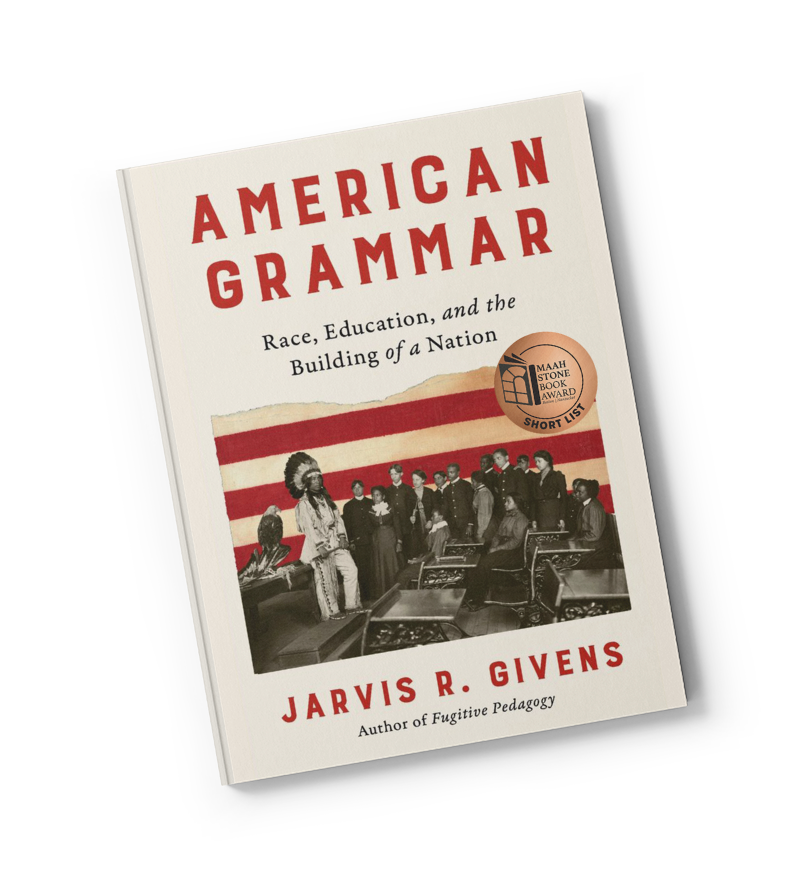
American Grammar: Race, Education, and the Building of a Nation
Jarvis R. Givens
Jarvis R. Givens draws on his own personal experiences and academic expertise to unveil how the political-economic exploitation of Black and Indigenous people played an essential role in building American education as an inequitable system premised on white possession and white benefit. In doing so, he clarifies that present conflicts are not merely culture wars, but indeed structural in nature.
Published by HarperCollins
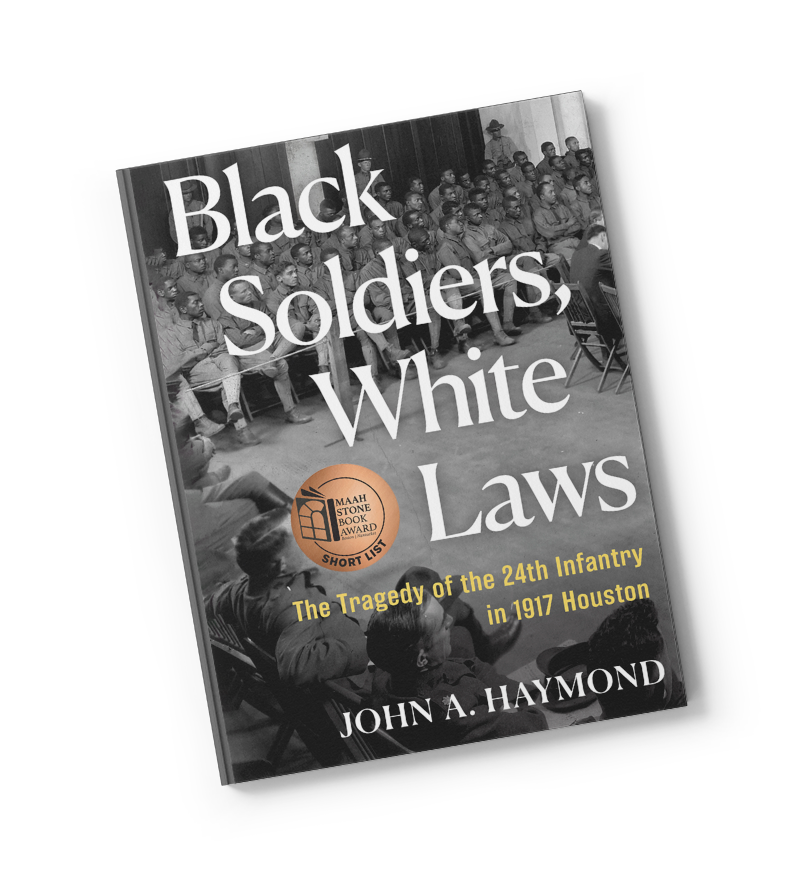
Black Soldiers, White Laws: The Tragedy of the 24th Infantry in 1917 Houston
John A. Haymond
On the sweltering, rainy night of August 23, 1917, one of the most consequential events affecting America’s long legacy of racism and injustice began in Houston, Texas.
Published by Atlantic Monthly Press
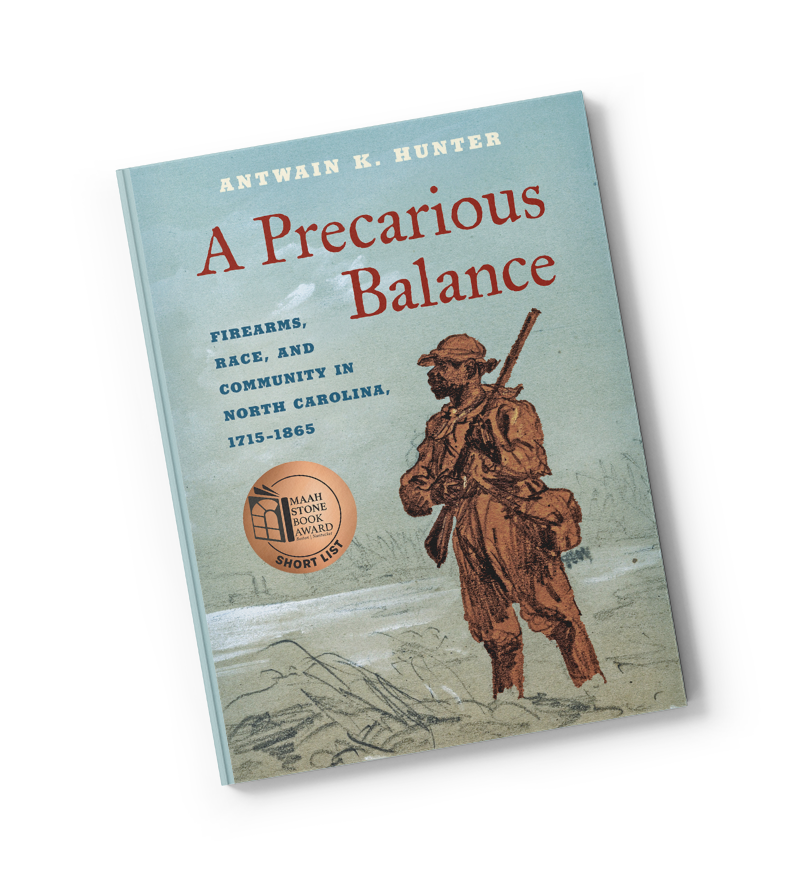
A Precarious Balance: Firearms, Race, and Community in North Carolina, 1715–1865
Antwain K. Hunter
Spanning the 1720s through the end of the Civil War, A Precarious Balance explores how free and enslaved Black North Carolinians accessed, possessed, and used firearms—both legal and otherwise—and how the state and white people responded.
Published by University of North Carolina Press
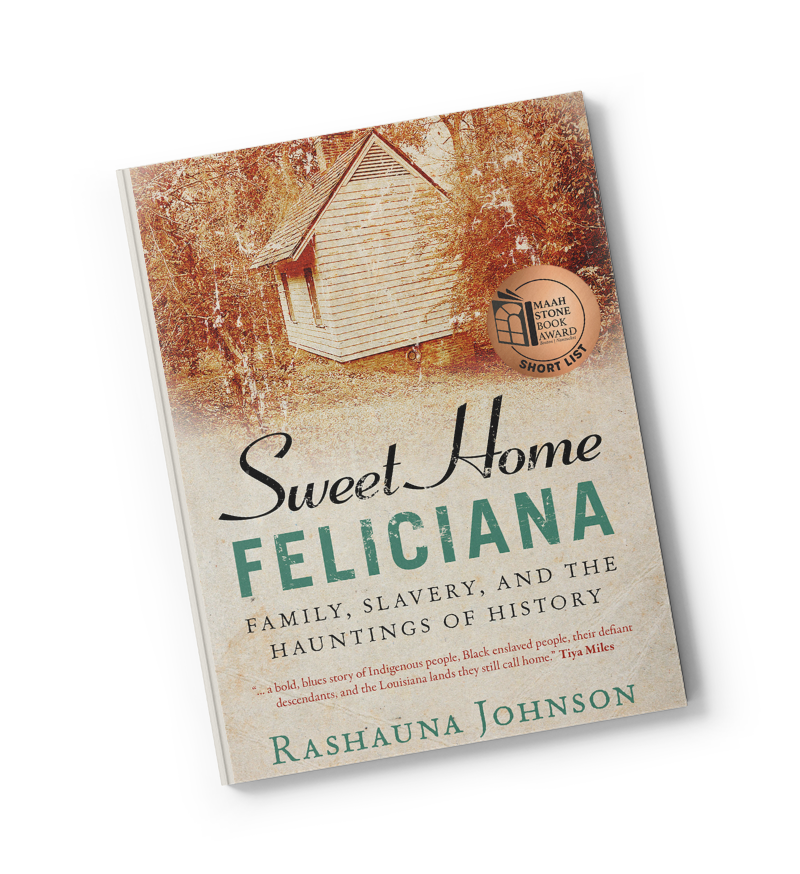
Sweet Home Feliciana: Family, Slavery, and the Hauntings of History
Rashauna Johnson
In this tapestry of intersecting stories, including those of her own family, Rashauna Johnson charts the global transformation of a rural region in Louisiana from European colonialism to Jim Crow. From her ancestor Virgil to her cousin Veronica and her hand-sewn Mardi Gras memorial suit more than a century later, this history is one of triumphs and trauma, illustrating the ways people of African descent have created sites of endurance, belonging, and resistance.
Published by Cambridge University Press
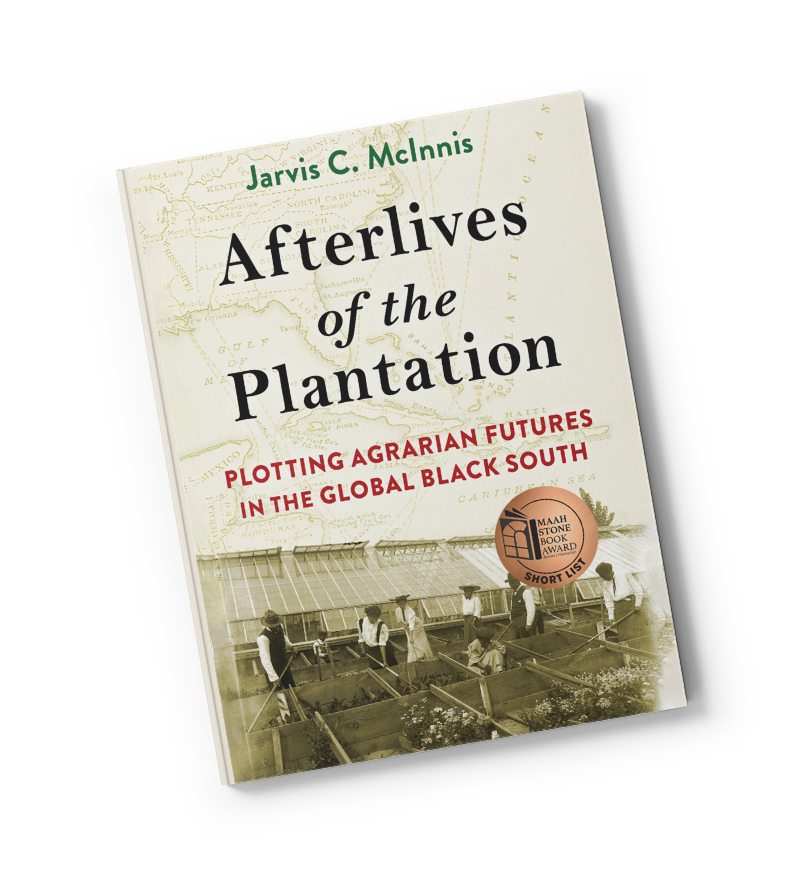
Afterlives of the Plantation: Plotting Agrarian Futures in the Global Black South
Jarvis C. McInnis
Built on the grounds of a former cotton plantation, the Tuskegee Institute, founded by Booker T. Washington, offered agricultural and industrial education as a strategy for Black self-determination. There—and in many other communities in the U.S. South, the Caribbean, and Central America—Black people repurposed and regenerated what had been a place of enslavement into a site for imagining alternative futures.
Published by Columbia University Press
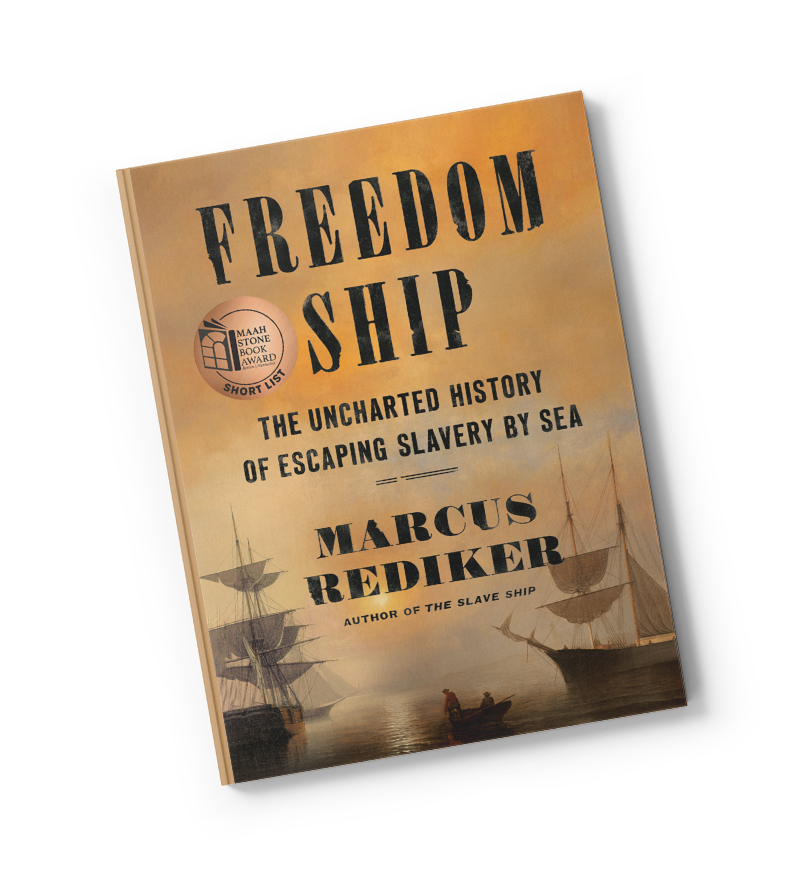
Freedom Ship: The Uncharted History of Escaping Slavery by Sea
Marcus Rediker
As many as 100,000 enslaved people fled successfully from the horrors of bondage in the antebellum South, finding safe harbor along a network of passageways across North America now known as the Underground Railroad. Yet imagery of fugitives ushered clandestinely from safe house to safe house fails to capture the full breadth of these harrowing journeys: many escapes took place not by land but by sea.
Published by Viking Press
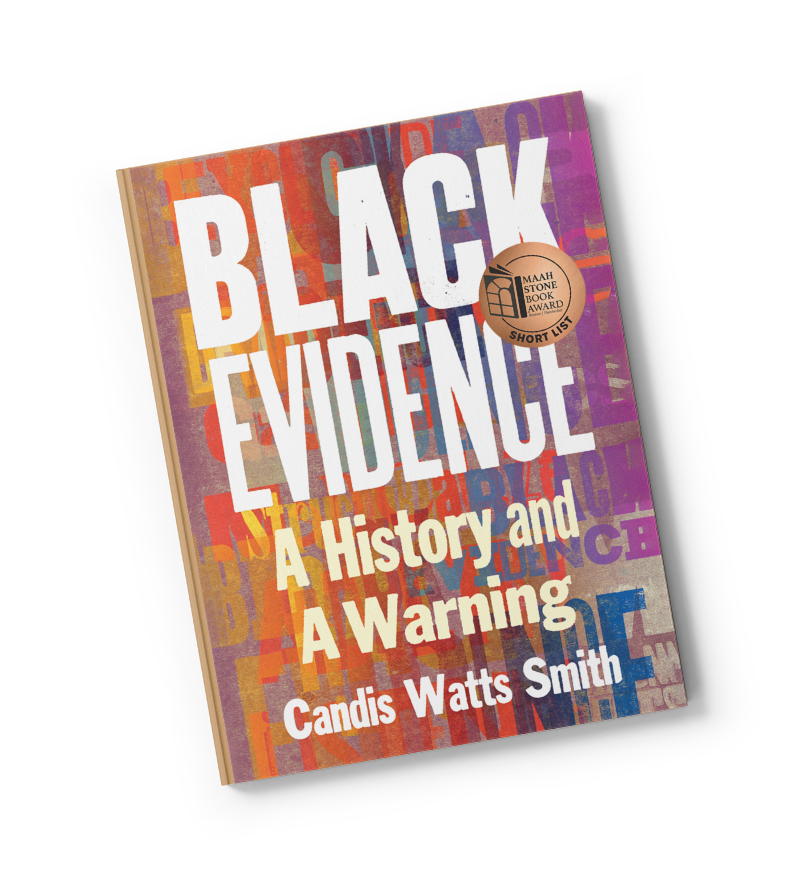
Black Evidence: A History and A Warning
Candis Watts Smith
From Reconstruction to Redemption, from the enactment of landmark civil rights legislation to the execution of the Southern strategy, from 2020’s multiracial protests to the swift elimination of policies etching out a more inclusive society, Americans regularly experience periods of racial reckoning followed by walloping retrenchment.
In Black Evidence, political scientist Candis Watts Smith shows that this pattern is the result of an American habit: denying the truths about our society that Black people experience and remember.
Published by W. W. Norton
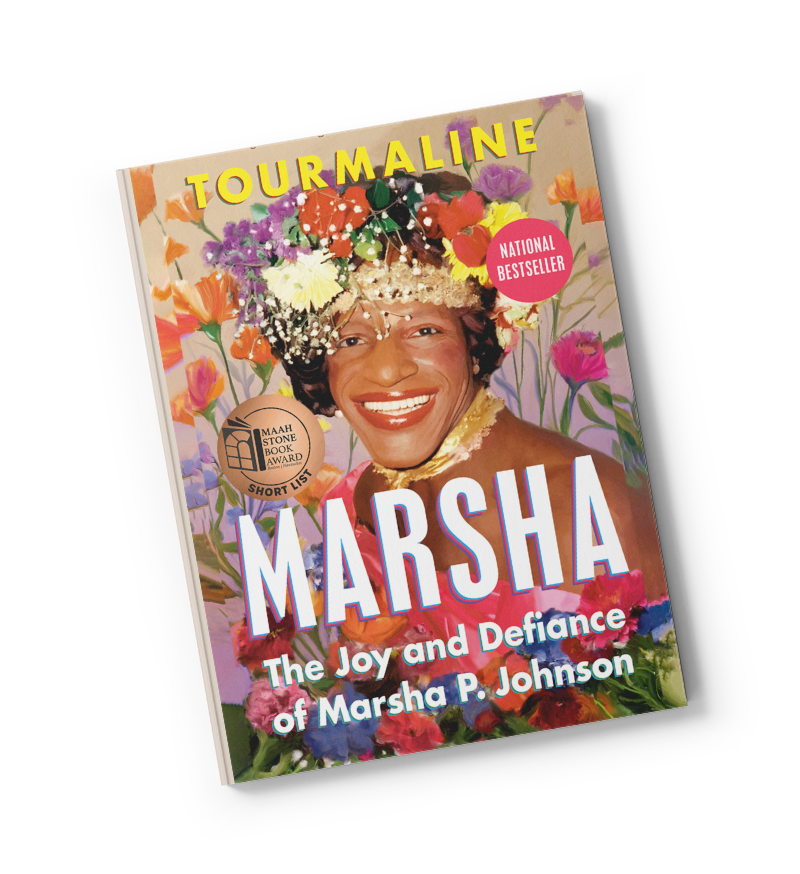
Marsha: The Joy and Defiance of Marsha P. Johnson
Tourmaline
“Thank god the revolution has begun, honey.”
Rumor has it that after Marsha P. Johnson threw the first brick in the 1969 Stonewall Uprising, she picked up a shard of broken mirror to fix her makeup.
Marsha, a legendary Black transgender activist, embodied both the beauty and the struggle of the early gay rights movement. Her work sparked the progress we see today, yet there has never been a definitive record of her life.
Until now..
Published by Tiny Reparations Books
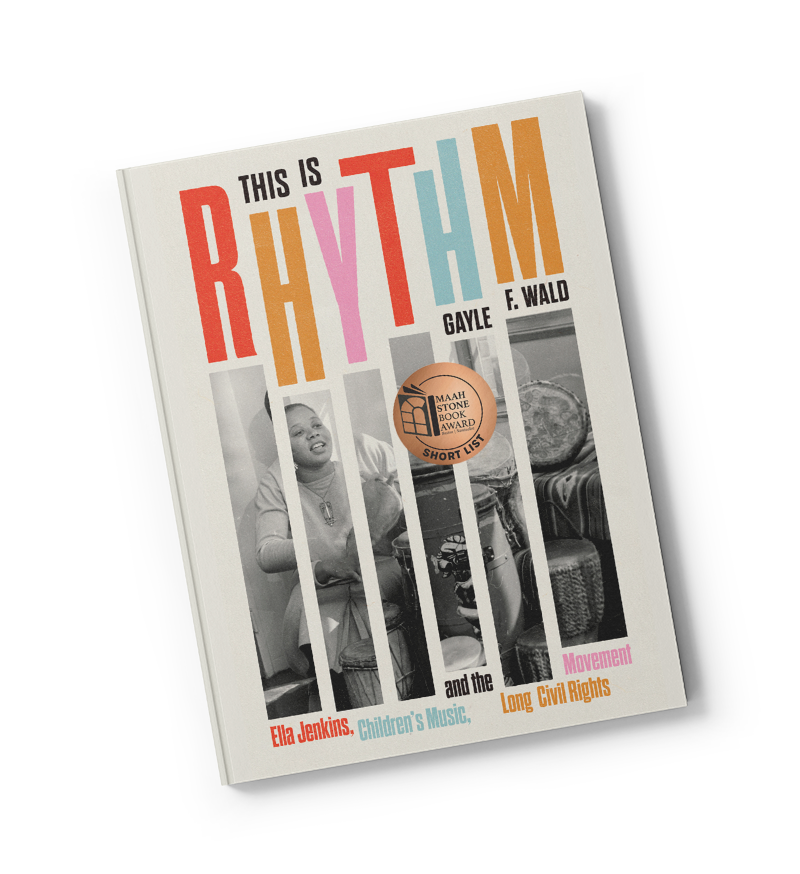
This Is Rhythm: Ella Jenkins, Children’s Music, and the Long Civil Rights Movement
Gayle F. Wald
Ella Jenkins was one of the most influential musicians of the twentieth century. In a career spanning more than sixty years, she recorded forty albums, won a lifetime-achievement Grammy, and became the best-selling individual artist in the history of Smithsonian Folkways Records, the independent label that played a significant role in the 1960s folk revival movement and introduced listeners to Woody Guthrie and Pete Seeger.
Based on dozens of interviews and access to Ella Jenkins’s personal archives, This Is Rhythm shares how Jenkins, a “rhythm specialist” with no formal musical training, became the most prolific and significant American children’s musician of the twentieth century, creating a beloved catalog of songs grounded in values of community-building, antiracism, and cultural pluralism.
Published by University of Chicago Press
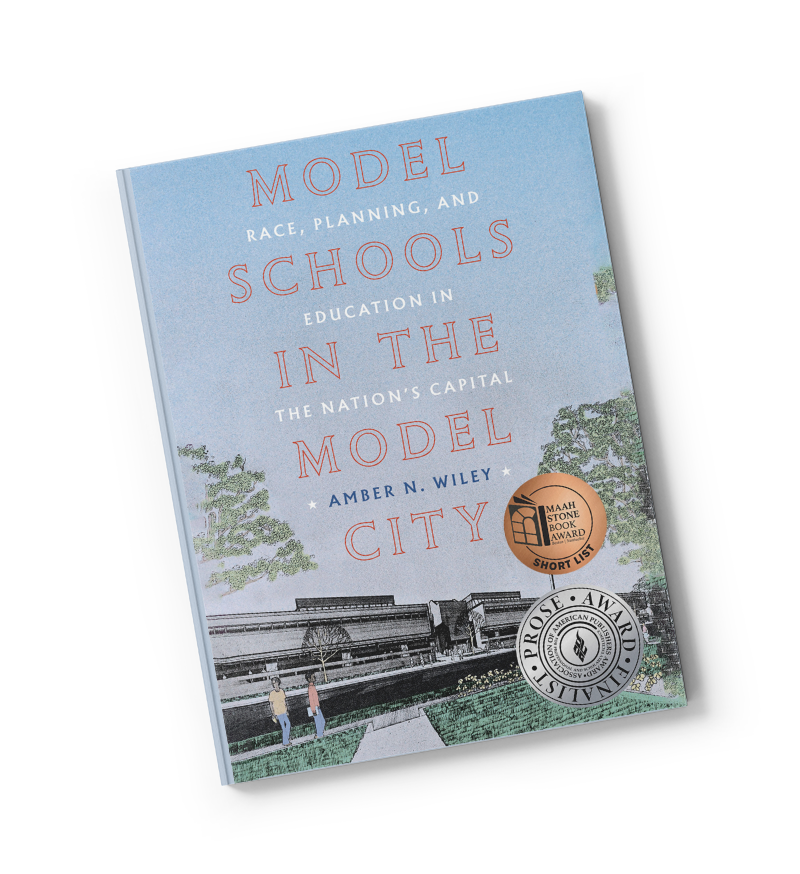
Model Schools in the Model City: Race, Planning, and Education in the Nation's Capital
Amber N. Wiley
Model Schools in the Model City chronicles how Black Washingtonians used public education as a means of racial uplift in the face of entrenched white resistance and repeated assertions of white supremacy. For Black Washingtonians, it was the school building—a permanent structure, made of sturdy material—that was the physical realization of Black liberation, agency, and the right to exist as citizens of the United States.
Published by University of Pittsburgh Press
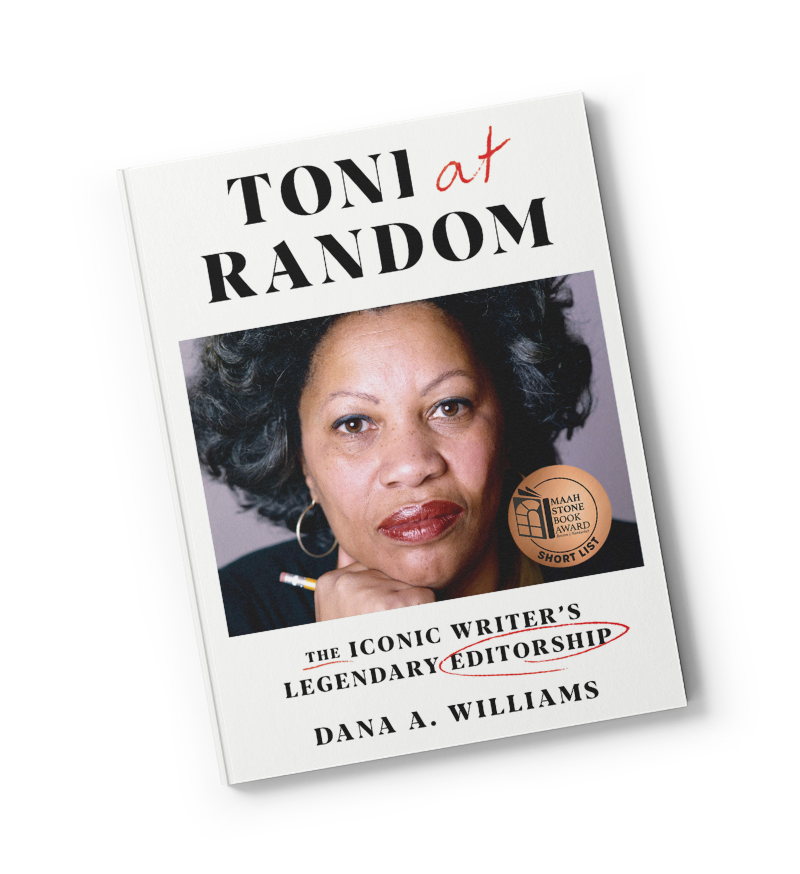
Toni at Random: The Iconic Writer’s Legendary Editorship
Dana A. Williams
Drawing on extensive research and firsthand accounts, this comprehensive biography of Toni Morrison discusses her remarkable journey from her early days at Random House to her emergence as one of its most important editors.
Toni Morrison herself had great enthusiasm about Dana Williams's work on this story, generously sharing memories and thoughts with the author over the years, even giving her the book's title.
Published by Amistad/HarperCollins
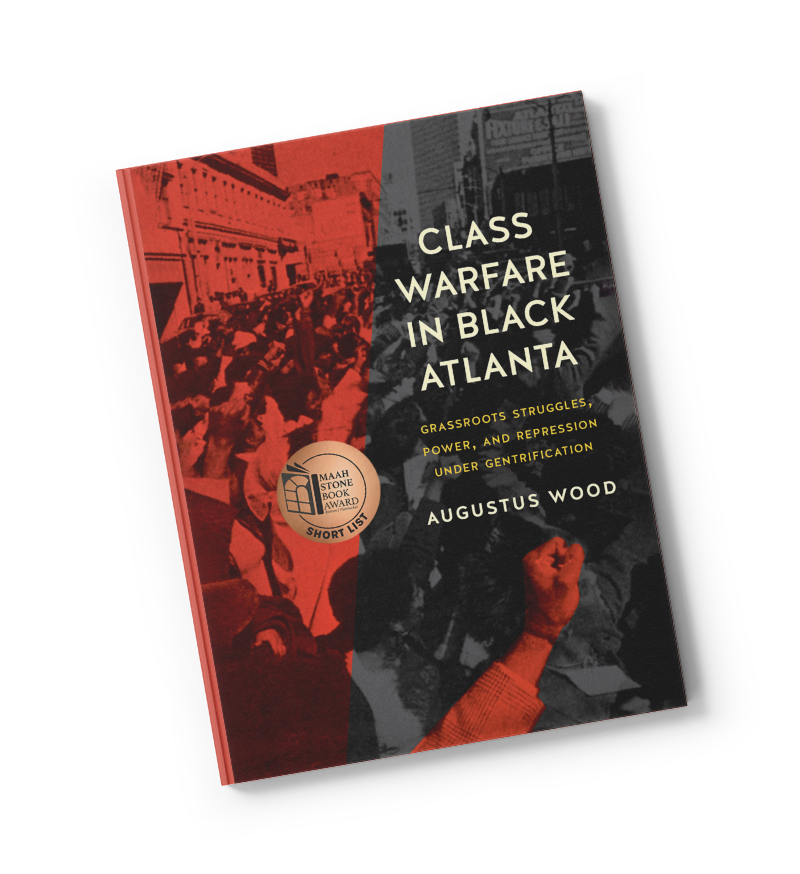
Class Warfare in Black Atlanta: Grassroots Struggles, Power, and Repression under Gentrification
Augustus Wood
Paying close attention to political economy and class while drawing on unexamined archival sources and oral histories of Black working-class Atlantans, especially Black women, in Class Warfare in Black Atlanta, Wood reframes our understanding of contemporary Black urban life by highlighting the centrality of the dynamics of intraracial class conflict in urban space.
Published by University of North Carolina Press